


The North Pole heaters are acting up, the snowman crew is melting, and Santa has sent his most ornery Lab Elf to your classroom for help. Operation Meltdown is a free thermal energy lab for middle school, run as a 15-day classroom elf countdown.
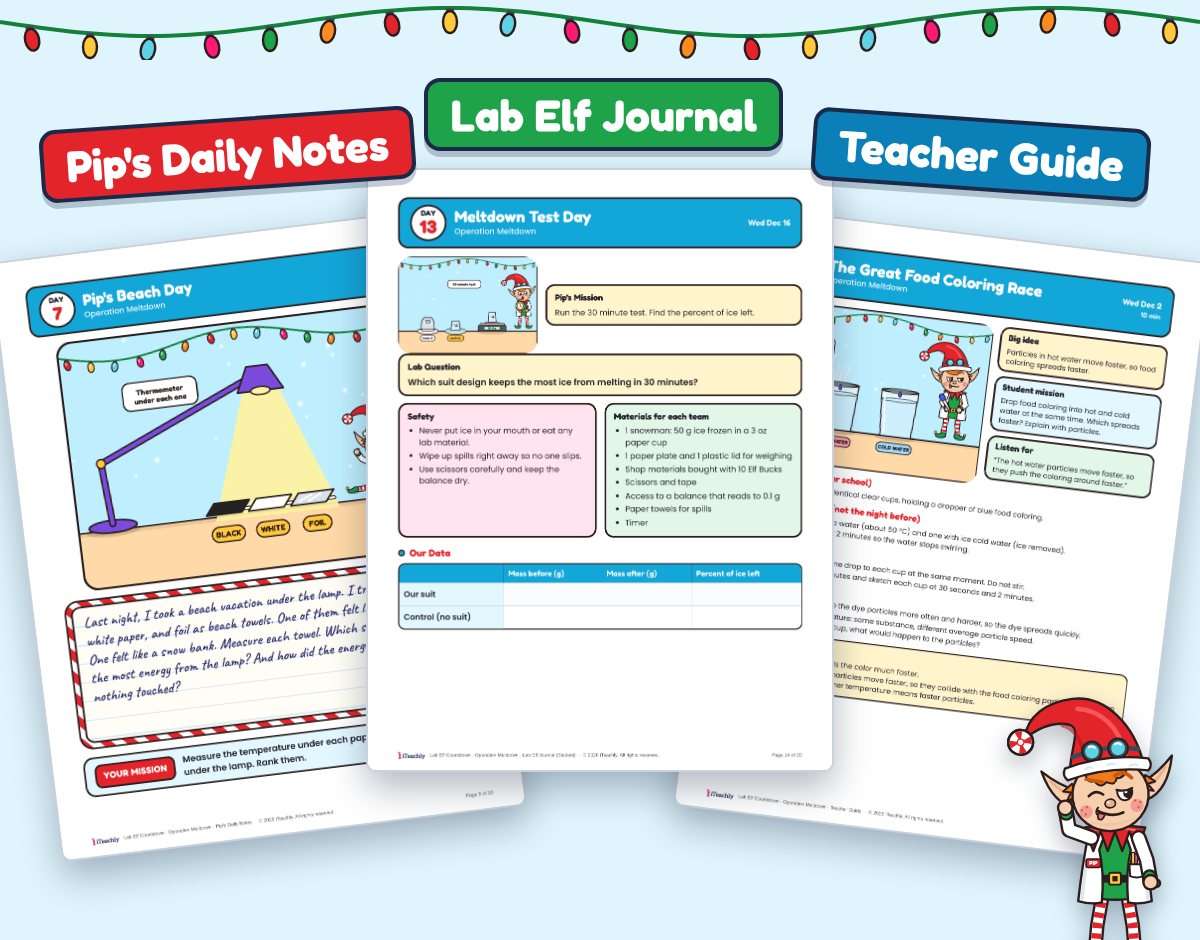
- Pip's Daily Notes · 18 pages
- Lab Elf Journal · 20 pages
- Teacher Guide · 25 pages
Get Operation Meltdown Free
Tell us where to send it. We email you one link to all three PDFs. Sign up once and Pip emails you his other two free labs too.
The sign-up form did not load. Your network may be blocking it. Try again on your phone or at home, or open the form in a new tab.
Why a personal email? Many school filters block emails with download links. Gmail, Yahoo, Outlook and iCloud all work great.
We'll also send you free science labs and news from iTeachly. Unsubscribe anytime.
Every school day from November 30 to December 18, Pip the Lab Elf shows up in a new science scene with a note and a mission. In 10 short warm-ups your students work out temperature, conduction, convection, radiation and thermal equilibrium. Then they spend the last week engineering a snowman survival suit that keeps a 50 g ice snowman frozen for 30 minutes.
It's built for grades 6 to 8 and it fits the school days you actually have in December. Days 1 to 10 take 10 to 15 minutes each. Days 11 to 15 are full class periods for the lab. The whole thing is free: Pip's notes, the student journal, and a Teacher Guide with answer keys.
What Is the Lab Elf Countdown?
Middle schoolers will tell you they are too old for a classroom elf. Pip is built to win them over anyway. He shows up in a beaker with goggles on his hat, he is wrong on purpose, and your students get to correct him with evidence. December is the hardest month to keep a class focused, and every day of this teaches real science.
Each day students walk in and find Pip in a new science scene with a note. The note sets up a 10 to 15 minute mini investigation that teaches one piece of the science. By Day 10 they have every idea they need, and Days 11 to 15 become a full NGSS lab that ends right before winter break.
After school. Move Pip and build the scene on that day's page. Most scenes take about 5 minutes, and the picture shows exactly how.
Before class. Print or project Pip's note and leave it with him.
In class. Students find Pip, read the note and complete the mission in their journal. Then you teach your regular lesson.
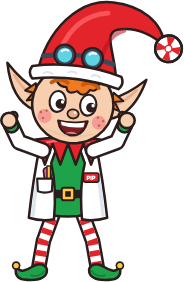
Meet Professor Pip Peppermint
Lab Elf, North Pole Division of Science. Smart, ornery, and wrong just often enough that your students get to correct him with evidence.
- He never moves while students are watching.
- If someone touches him, sprinkle a little "science dust" beside him the next day and tell the class Pip forgives them.
- No elf doll? Print the Pip stand-up cutout on the last page of Pip's Daily Notes.
What Is in the Free Thermal Energy Lab Download
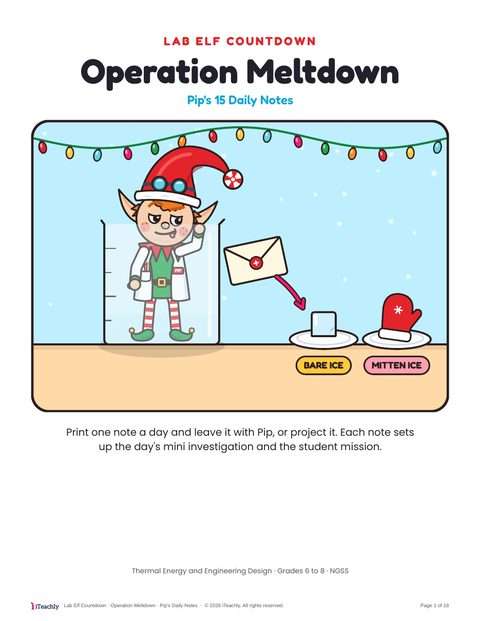 18 pages
Pip's Daily Notes
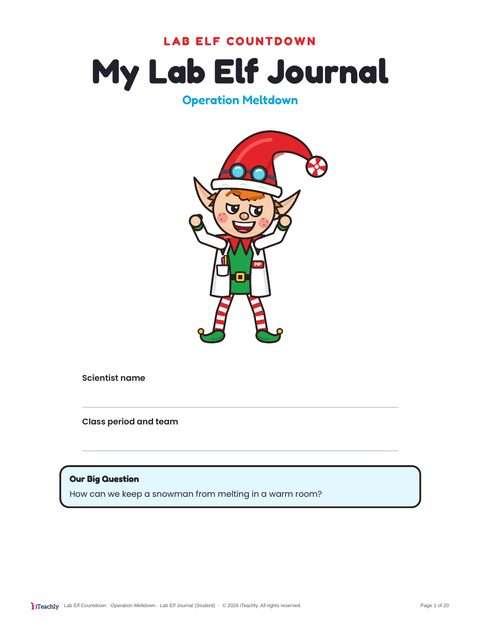 20 pages
Lab Elf Journal
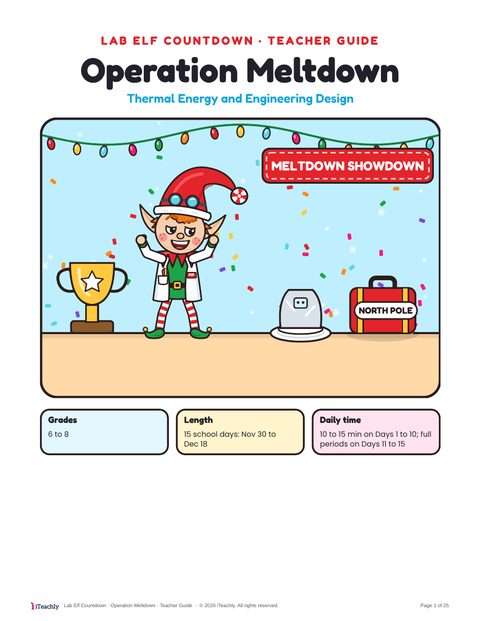 25 pages
Teacher Guide
Send Me the Free Lab3 PDFs. Free. The link goes to your personal email.
NGSS Standards in This Thermal Energy Lab
Here are the standards this unit teaches and the days that teach them. Tap a standard to read it.
MS-PS3-3 Days 10 to 15: Snowman Survival Suit
MS-PS3-3: Apply scientific principles to design, construct, and test a device that either minimizes or maximizes thermal energy transfer.
MS-PS3-4 Supported, not fully assessed: Day 9, with Days 4 and 5
MS-PS3-4: Plan an investigation to determine the relationships among the energy transferred, the type of matter, the mass, and the change in the average kinetic energy of the particles as measured by the temperature of the sample.
MS-PS1-4 Days 1, 2, 3, 9
MS-PS1-4: Develop a model that predicts and describes changes in particle motion, temperature, and state of a pure substance when thermal energy is added or removed.
MS-ETS1-1 Day 10
MS-ETS1-1: Define the criteria and constraints of a design problem with sufficient precision to ensure a successful solution, taking into account relevant scientific principles and potential impacts on people and the natural environment that may limit possible solutions.
MS-ETS1-2 Day 11
MS-ETS1-2: Evaluate competing design solutions using a systematic process to determine how well they meet the criteria and constraints of the problem.
MS-ETS1-3 Days 13 to 14
MS-ETS1-3: Analyze data from tests to determine similarities and differences among several design solutions to identify the best characteristics of each that can be combined into a new solution to better meet the criteria for success.
MS-ETS1-4 Days 12 to 14
MS-ETS1-4: Develop a model to generate data for iterative testing and modification of a proposed object, tool, or process such that an optimal design can be achieved.
Science and engineering practices: Asking questions and defining problems; Developing and using models; Planning and carrying out investigations; Analyzing and interpreting data; Constructing explanations and designing solutions; Engaging in argument from evidence. Core ideas: PS1.A Structure and Properties of Matter; PS3.A Definitions of Energy; PS3.B Conservation of Energy and Energy Transfer; ETS1.A to ETS1.C Engineering Design. Crosscutting concepts: Energy and Matter; Cause and Effect.
The Story, Day by Day
The driving question: How can we keep a snowman from melting in a warm room? Here is how Pip gets your class to the answer in 15 school days.
Week 1 · Nov 30 to Dec 410 to 15 minutes a day
Swipe to see each day →
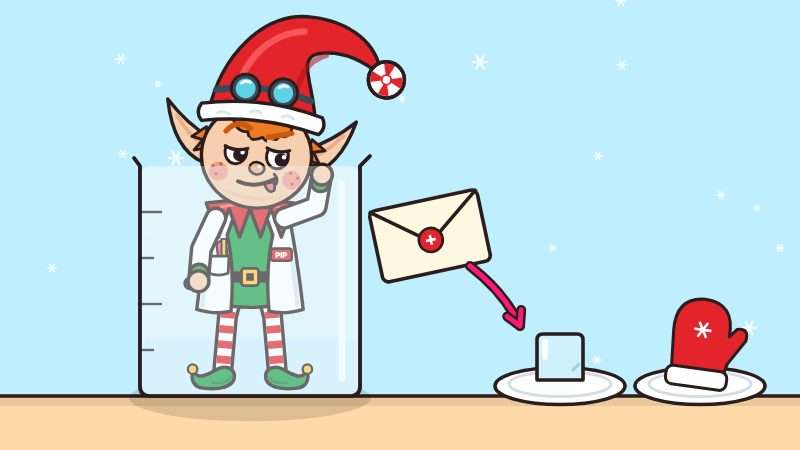
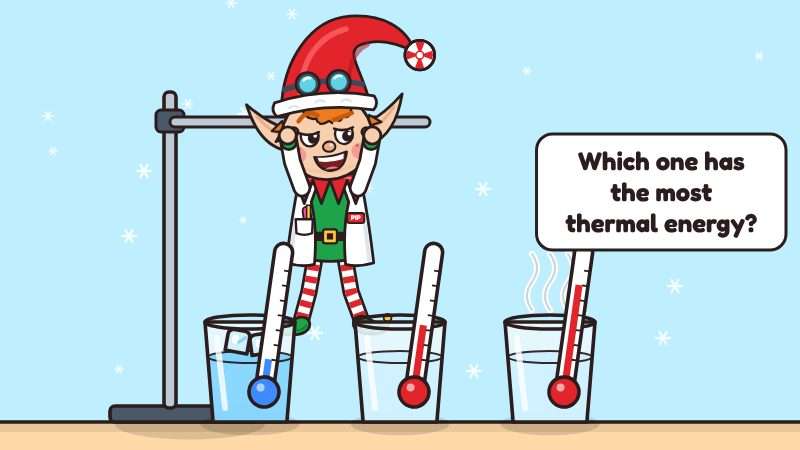
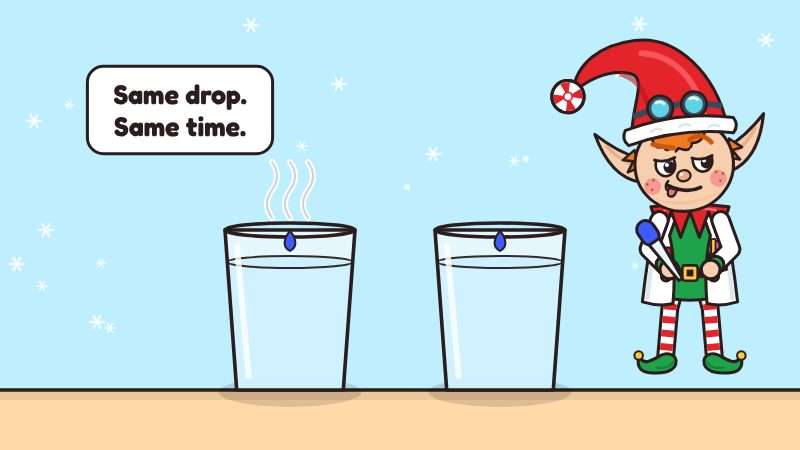
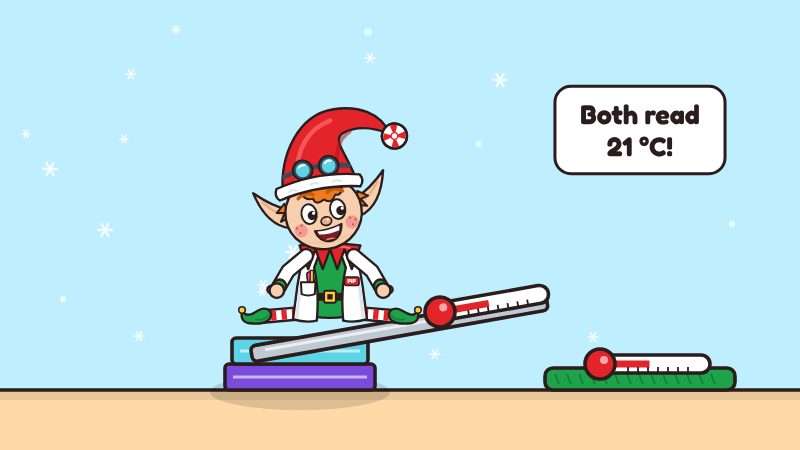
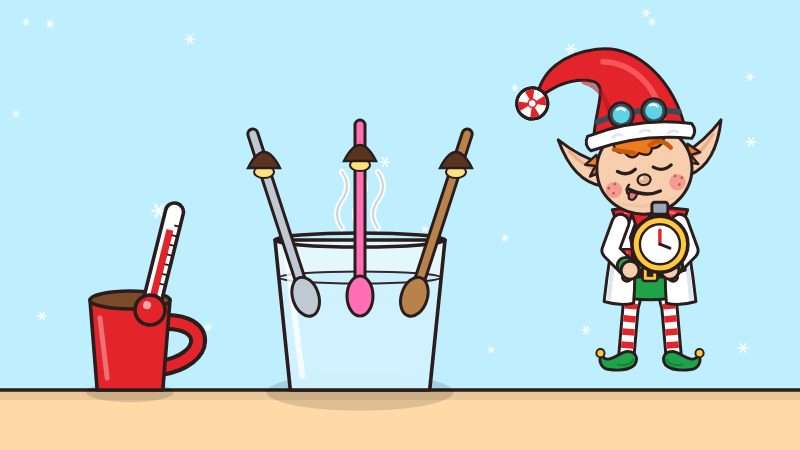
Week 2 · Dec 7 to 1110 to 15 minutes a day
Swipe to see each day →
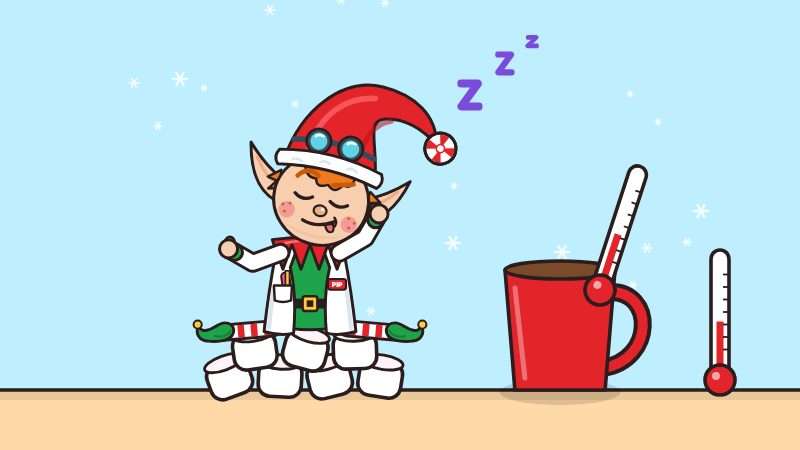
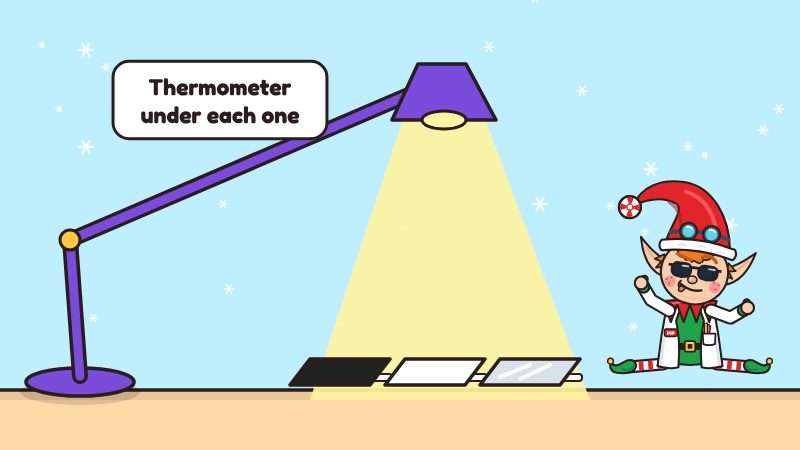
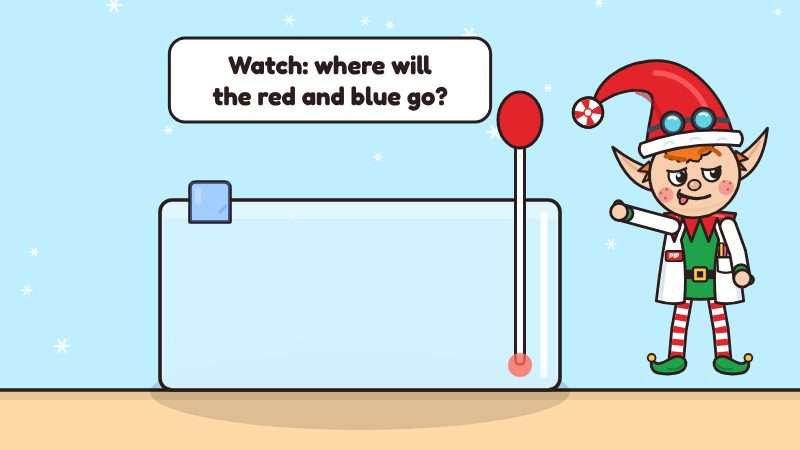
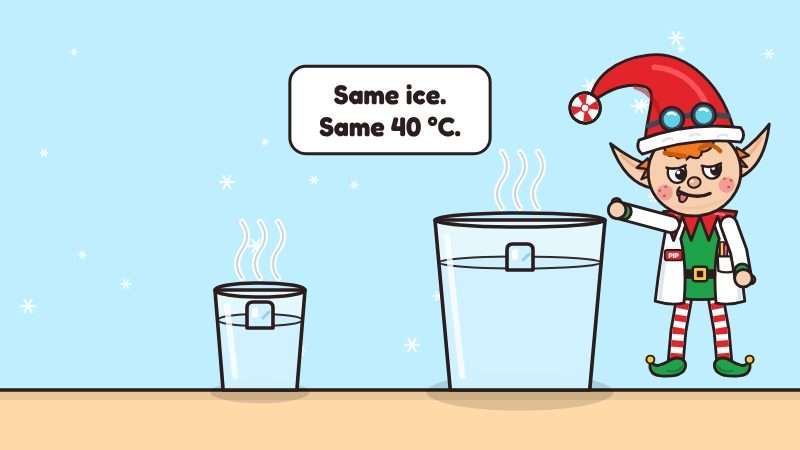
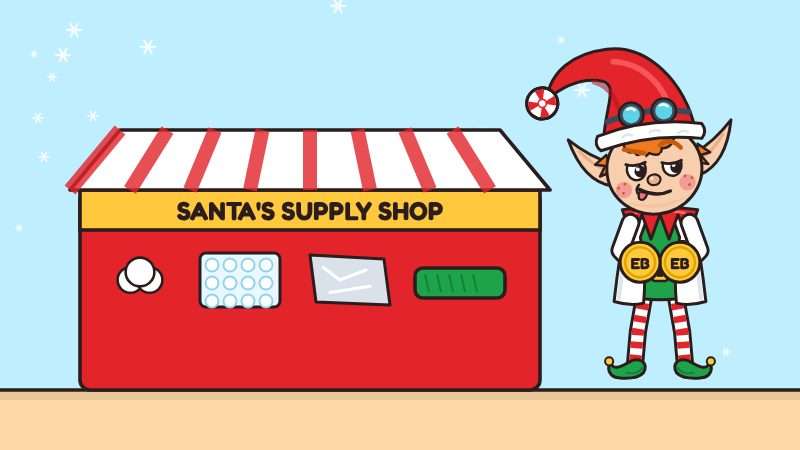
Week 3 · Dec 14 to 18Lab week · full class periods
Swipe to see each day →

Short on School Days in December? It Still Works.
Nobody has 24 school days in December, so Pip doesn't try. He is written to arrive the Monday after Thanksgiving (November 30) and leave on the last school day before break (December 18).
Weekends are part of the story. The first Friday, Pip leaves a hot mug of cocoa on the desk and Monday opens with the reveal. The second Friday, teams take the design brief home.
Different calendar? See which days to combine or stretch
- Break starts Wed Dec 16 (12 school days): run Days 1 to 5 as written, then combine Days 7 and 8, Days 11 and 12 (brainstorm and build in one period), and Days 14 and 15 (retest, then present). Keep Day 5 on a Friday so the cocoa sits over the weekend.
- Only 10 school days? Combine Days 2 and 3, and Days 7 and 8, so 7 mornings cover Days 1 to 9. Read the Day 10 brief at the start of the build period, then use three full periods: build (Days 11 and 12 together), test, and the showdown (with improvement as homework). Day 5 then lands on a Thursday. The cocoa still reaches room temperature overnight.
- Break starts later (Dec 22 or after): add a Day 16 Snowman Rematch on Mon Dec 21, where every team retests its improved suit. Hold Pip's Day 15 goodbye note until Day 16.
- Starting late? Pip can arrive any Monday. The calendar page in the Teacher Guide shows which days to combine.
Out sick? The sub plan is a one-page reading called Pip's Field Notes, with questions and an answer key. It works on Days 2 to 4 or 7 to 9.
The Thermal Energy Lab: A Snowman Insulation Challenge
Lab question: Which suit design keeps the most ice from melting in 30 minutes?
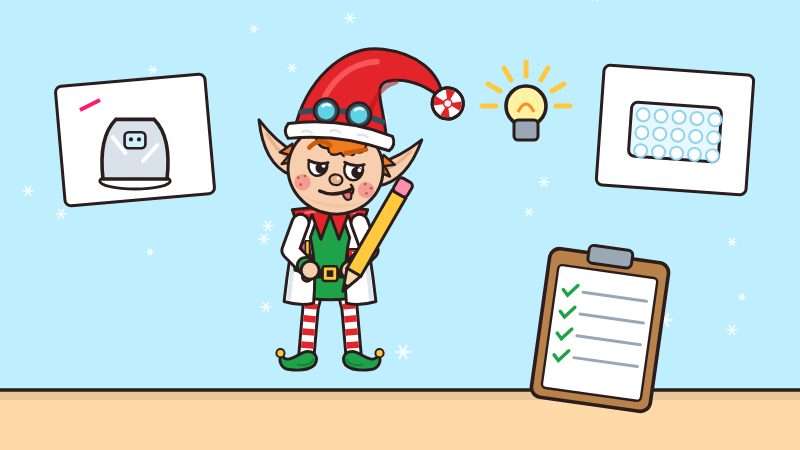
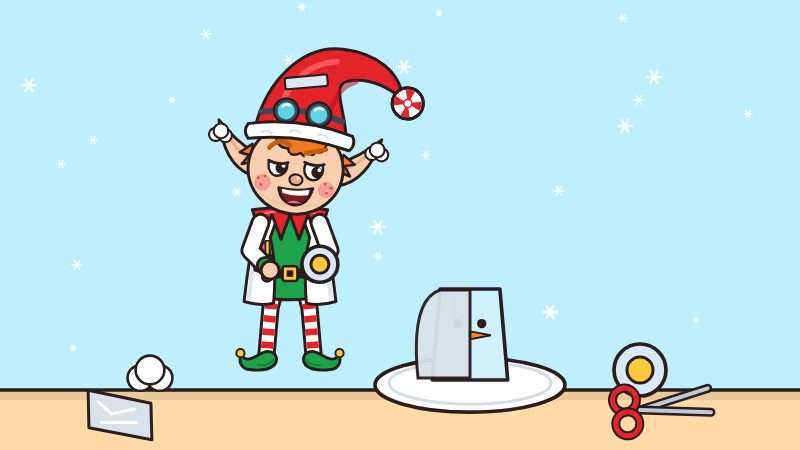
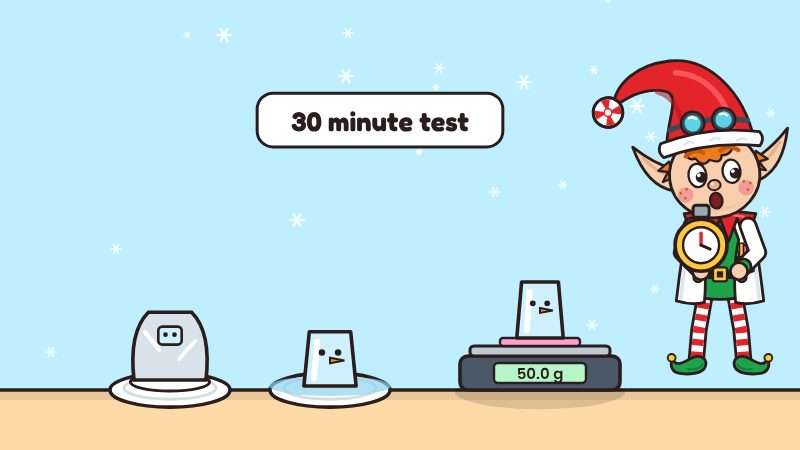
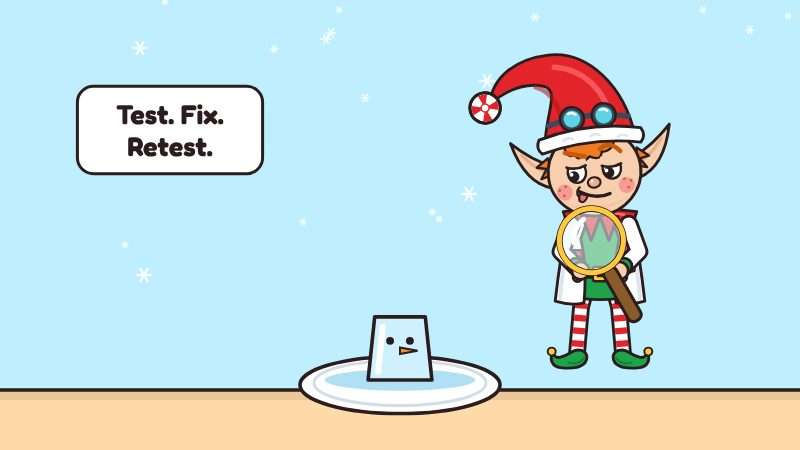
It is the classic heat transfer lab (conduction, convection and radiation) with a snowman on the line. Teams get 10 Elf Bucks to spend in Santa's Supply Shop on cotton, foil, bubble wrap, felt and more. They build a suit for a 50 g ice snowman, run a 30 minute melt test beside a bare control snowman, and use a balance to find the percent of ice left. Then they use the class data to improve the insulation and test it again.
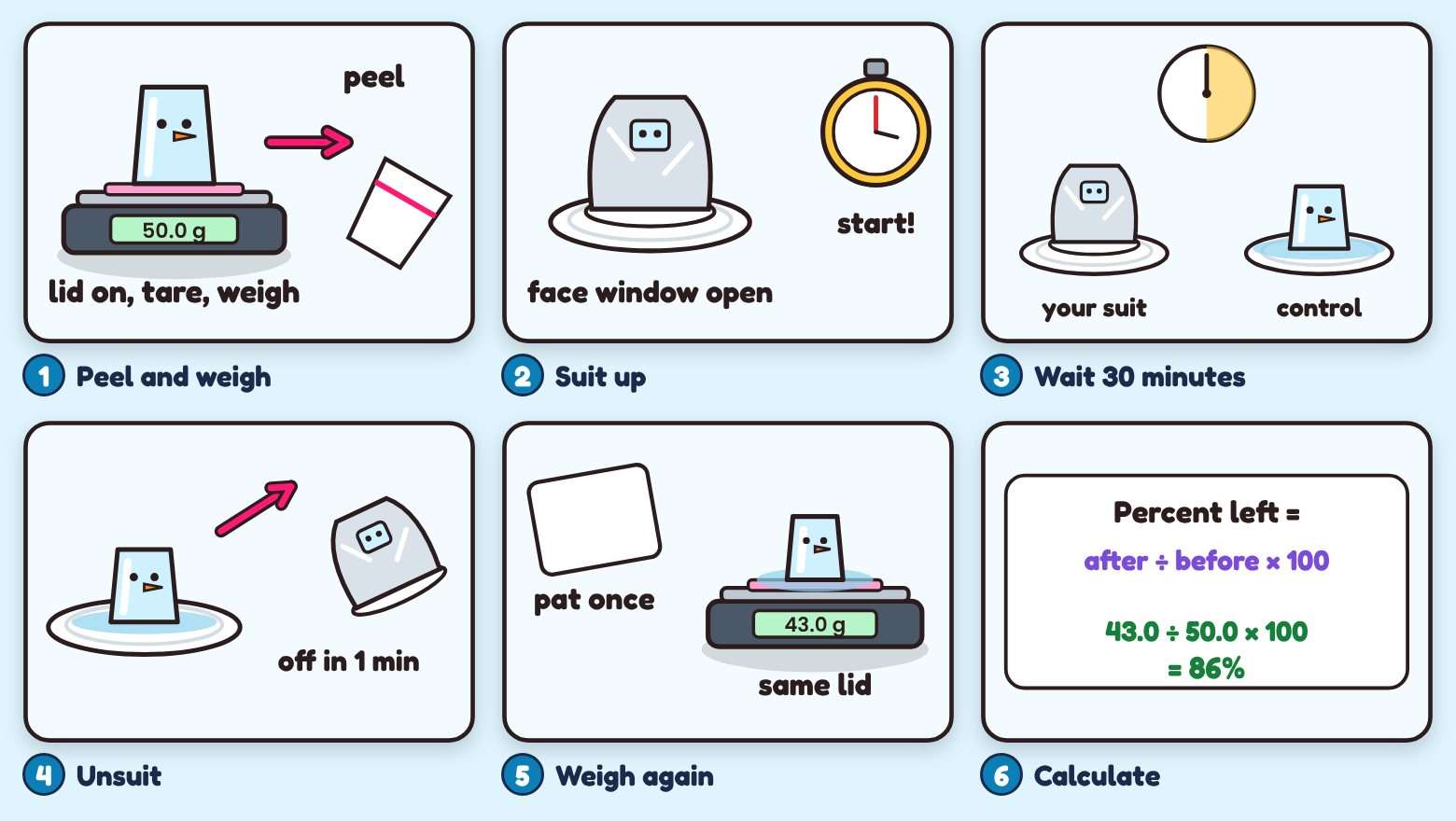
Tap the picture to see it full size.
Students follow picture directions, so the steps stay clear. Order two things now: a 50 to 75 W incandescent heat bulb (the kind sold for reptile tanks) with a ceramic-socket clamp lamp for the Day 7 lamp test, and balances that read to 0.1 g (4 or more for a class of 30). The Teacher Guide explains why the cheaper swaps do not work. The rest is kitchen and craft basics: ice, 3 oz paper cups, paper plates, cotton balls, foil, bubble wrap, felt, food coloring, spoons, chocolate chips and a mitten. You also need 6 thermometers, a kettle and a cooler.

So What's the Catch?
There isn't one. iTeachly is a science curriculum membership built by teachers. We give labs like this away because the best way to show you what we make is to let you teach it.
If you like how Pip runs your December, you'll like the rest of iTeachly: every lesson for Physical Science, Life Science, Earth and Space Science, Biology and Chemistry, already done. You can try all of it for $1 for 7 days. After that it is $49 a month for one course or $97 a month for all five. Cancel before day 7 and you won't pay another cent.
More Free Christmas Science Activities for Middle School
Pip has two more December storylines. Each one is free and has its own post. Sign up for any one of them and Pip emails you all three:
 Hoof Warmer FactoryFree chemical reactions lab for grades 6 to 8
 The Longest NightFree seasons lab for grades 6 to 8
Want a lab for the rest of the year? Try our free Observing Heat Transfer by Conduction Lab Activity and Making Energy Toys Lab Activity, or see how the full course is laid out in the Physical Science curriculum map.
Frequently Asked Questions
What grade is this for?
Grades 6 to 8. The reading level and the standards are middle school.
How much class time does it take?
Days 1 to 10 take 10 to 15 minutes each, as a bell ringer or warm-up. Days 11 to 15 are full class periods for the lab.
When does it start?
Pip is written to arrive on Monday, November 30, 2026 and leave on Friday, December 18. The calendar page in the Teacher Guide shows what to combine if your break starts earlier or later.
Can I start late?
Yes. Pip can arrive any Monday. If you have fewer than 15 school days, the calendar page in the Teacher Guide shows which days to combine.
I teach several periods. Does it still work?
Yes. Pip stays in his scene all day. Anything that melts, cools or gets used up is set out fresh for each period, and each daily page tells you what.
Do I need an elf doll?
No. Print the Pip stand-up cutout on the last page of Pip's Daily Notes. If you have an elf doll, any one about 30 cm (12 inches) tall works, and a white sock makes a quick lab coat.
What do I need to buy?
Most of it is kitchen and craft basics: paper cups, cotton balls, foil, bubble wrap, felt and food coloring. The two things to order are a 50 to 75 W incandescent heat bulb (sold for reptile tanks) with a clamp lamp for the Day 7 lamp test, and balances that read to 0.1 g. The Teacher Guide has the full gather and buy list with amounts for a class of 30.
Can I use it if my school is not on NGSS?
Yes. The science is the same in every state, and every day lists its big idea so you can match it to your own standards.
Does it work with Google Classroom or Canvas?
Yes. Print the journal as a packet, project Pip's notes, or post the PDFs in Google Classroom, Canvas or Teams. No video is needed for any day.
Is it really free?
Yes. Tell us where to send it and we email you a link to your download page with all three PDFs. We will also send you free science labs and news from iTeachly, and you can unsubscribe anytime.
Ready for Pip to Move In?
Grab Operation Meltdown now so it is printed before Pip's first morning. He is written to arrive Monday, November 30. Starting later works too.
Send Me the Free Lab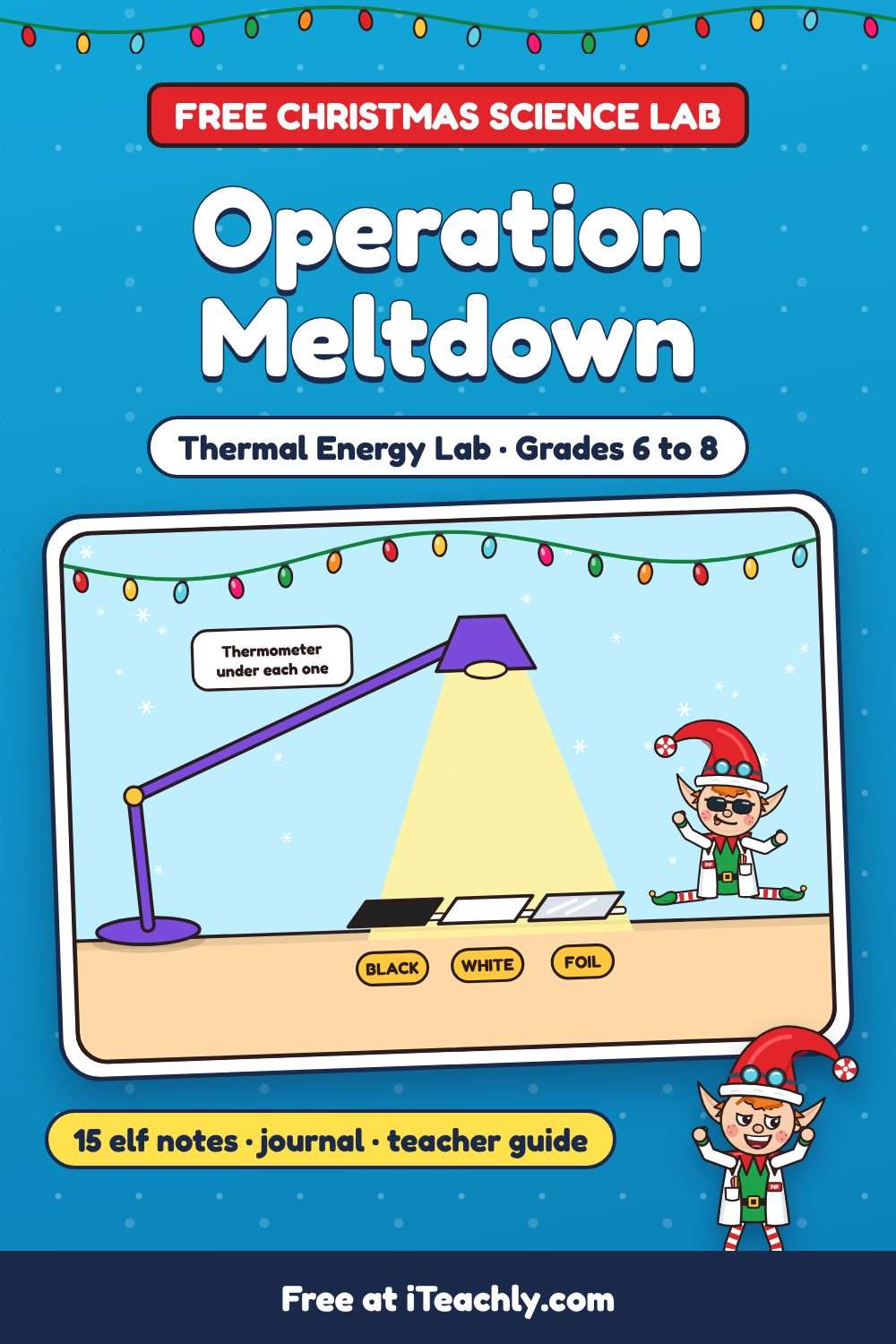
Not ready yet? Save this pin so you can find Operation Meltdown later.
Save to Pinterest